
At PIVOT, our mission is to empower at-risk and isolated individuals by designing and providing easy-to-use, secure technology solutions for telehealth and video communications that foster connection, independence, and peace of mind.

PIVOT is committed to delivering simple, accessible tools designed specifically for unique communities that ensure vulnerable populations can engage with healthcare, care- giver, family and support networks confidently and confidentially, bridging the digital divide with integrity and compassion.

Our PIVOT solution begins with relationships, working with care- givers and organizations to help achieve simple, single touch solutions to video communications for the most vulnerable.
Our PIVOT solution begins with relationships, working with caregivers and organizations to help achieve simple, single touch solutions to video communications for the most vulnerable.

PIVOT is a community-based design process using off the shelf technology along with training and community organizing to allows users to connect, free of passwords on their end, to vital services.
PIVOT can:
• Reduce Technological Barriers
• Provide Immediate Assistance
• Enhance Independence and Confidence
• Support Continuous Monitoring
• Reduce Anxiety and Isolation
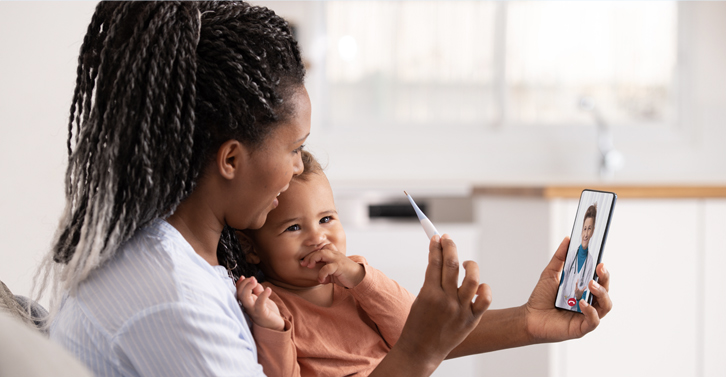
Working with families, caregivers and organizations, PIVOT can help design and implement affordable simple, one-touch telehealth, tele-wellness and video- conferencing solutions.

Bridging the Digital Divide: PIVOT can make a profound difference by removing barriers, ensuring rapid access to care, and empowering vulnerable and isolated individuals to maintain.
Our Team
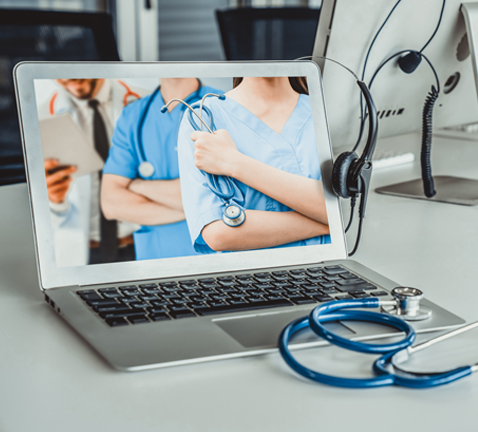
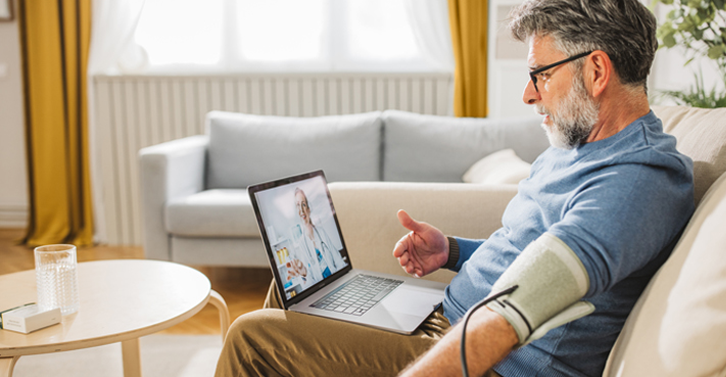
Our team brings together telehealth nursing, tele-communications engineering, social work and community development to create secure, easy to use connections and provide training uniquely tailored for the community, agency, caregiver and individual.
Together, we have over a half-century of combined experience in designing and implementing telehealth in Central Appalachia and rural communities.
Our focus is not on profit or selling technology. Our expertise is with the aged and those with physical and neurodevelopmental challenges, designing unique solutions in order to live independently.
Team Members

Anthony Nappi, PT, RN serves as team leader for PIVOT SIMPLE and directs the Virginia IMPACT program, a partnership between the UVA School of Medicine, Virginia Department of Health, and the Mid Atlantic Telehealth Resource Center, is focused on telehealth applications in congregate communities across the Commonwealth. Anthony has expertise in the clinical care of aging and frail populations.
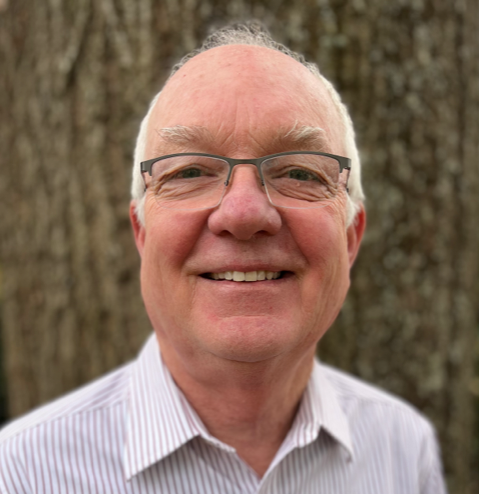
Michael Patterson brings over 30 years of experience in healthcare technology. He served as the technical manager for the Karen S. Rheuban Center for Telehealth at the University of Virginia from 1999-2013. In 2013, he established Totier Technologies, LLC to focus on telehealth consulting to government, private healthcare organizations and collaboratives. Mike serves on the advisory board and is a consultative service partner for the Mid-Atlantic Telehealth Resource Center (MATRC).

David Cattell-Gordon, M.Div., MSW served at the University of Virginia as the Director of the Karen S. Rheuban Center for Telehealth and as faculty in Public Health Sciences and the School of Nursing. He retired in 2022 after 30 years of service. During his tenure, David taught courses in culture and health in Appalachia in Public Health Sciences and oversaw the development and implementation of telehealth services. He is co-founder of the Healthy Appalachia Institute at UVA-Wise and the Virginia Institute of Autism’s Centers for Neurodevelopment. Mike serves on the advisory board and is a consultative service partner for the Mid-Atlantic Telehealth Resource Center.
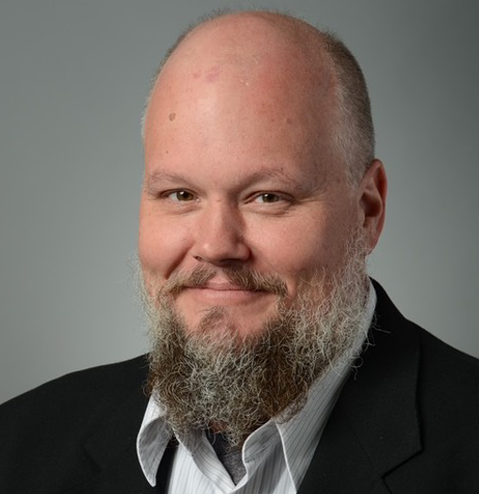
Brian Gunnell has worked with the University of Virginia Center for Telehealth since 2010. A graduate of Virginia Tech, Brian brings extensive experience in mobile and fixed endpoint VTC technology, communications and engineering infrastructure, as well as clinical applications of mobile telehealth. In addition, Brian has been active globally in developing videoconferencing in low resource areas. Brian serves on the advisory board for the Mid-Atlantic Telehealth Resource Center.